
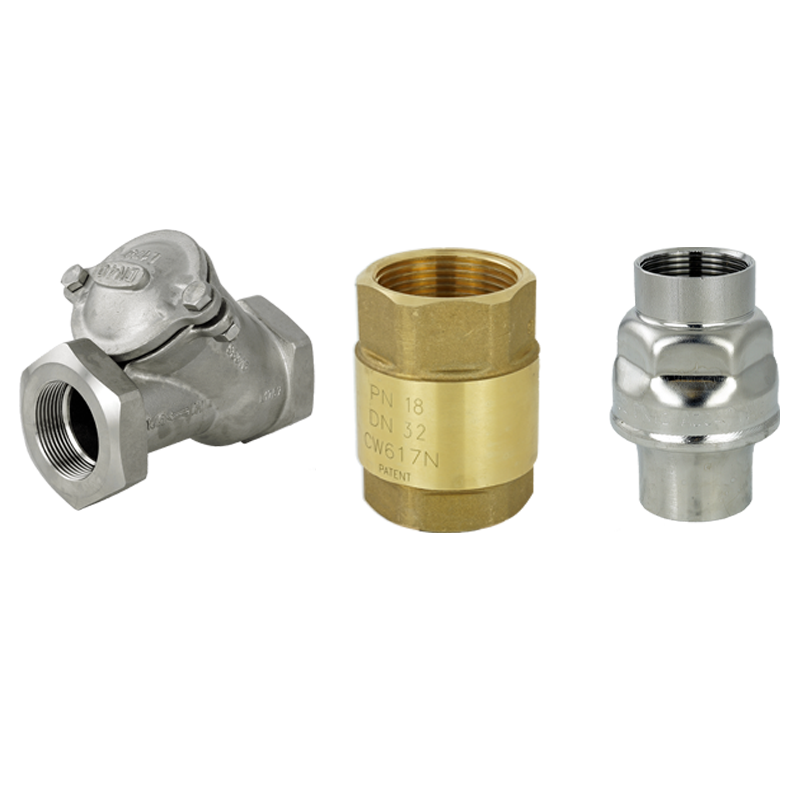
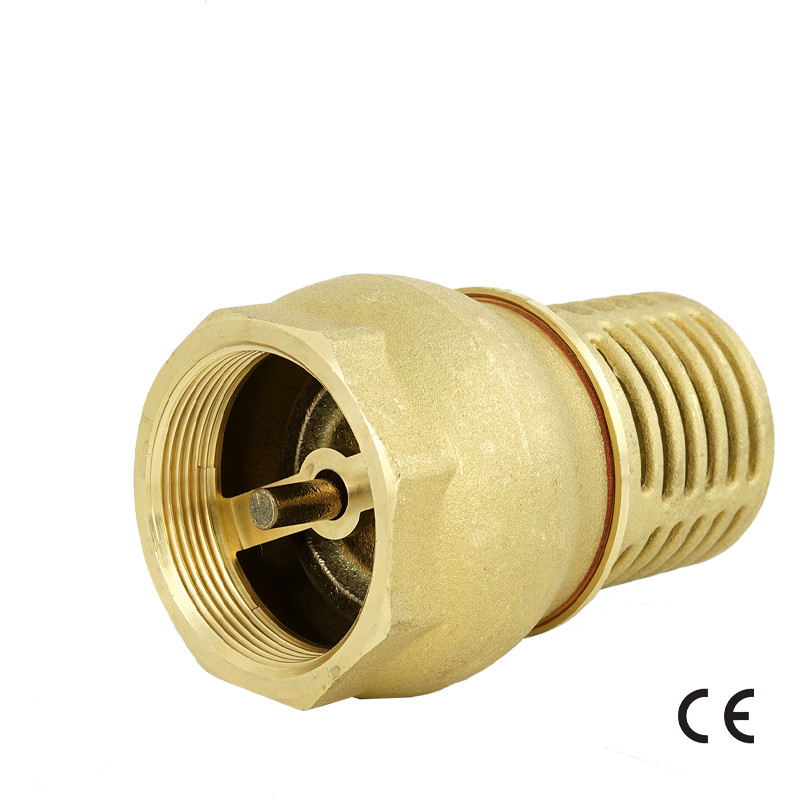
Body Materials — Brass or Stainless Steel
1. Brass (RV102 and Metallic-Seal Variant)
Application: HVAC systems, compressed air, water supply, glycol circuits, neutral gases, condensate return, general utility pipework at moderate temperatures
Temperature: air −20 °C to +100 °C · water 0 °C to +90 °C · gas −20 °C to +60 °C · PN12 to PN16
Advantages: excellent machinability produces clean female threads, good corrosion resistance in water and neutral gases, compact and economical, wide size availability from 1 inch up to 4 inch
Limitations: unsuitable for ammonia, aggressive chemicals, strongly chloride-rich water and hydrofluoric acid
2. Stainless Steel 1.4408 / CF8M and 1.4301 (RV101)
Application: chemical dosing, hot water circuits, condensate lines, food and pharmaceutical processes, chlorinated water, marine and outdoor installations
Temperature: up to +150 °C · PN16
Advantages: molybdenum-alloyed 1.4408 resists pitting from chlorides and salt spray, dimensionally stable under pressure, no metal-ion pickup into the medium, hygienic surface suits CIP processes, single-material construction across body, disc and spring for consistent expansion behaviour
Limitations: higher material cost than brass; the RV101 is not designed for vacuum service, so specify a dedicated vacuum check valve for such duty