
Materials and Seals for Knife Gate Valves
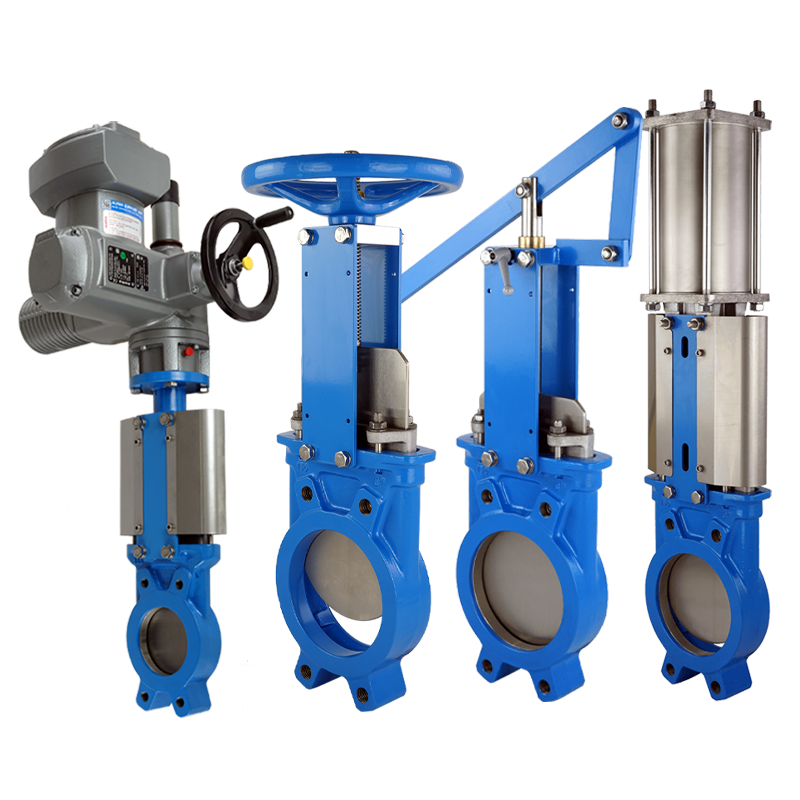
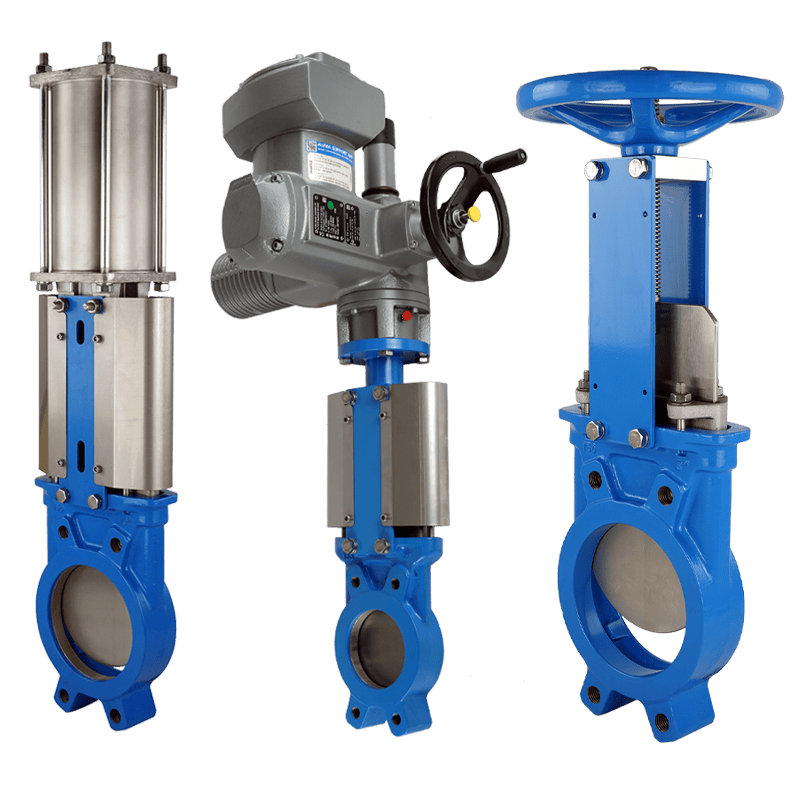
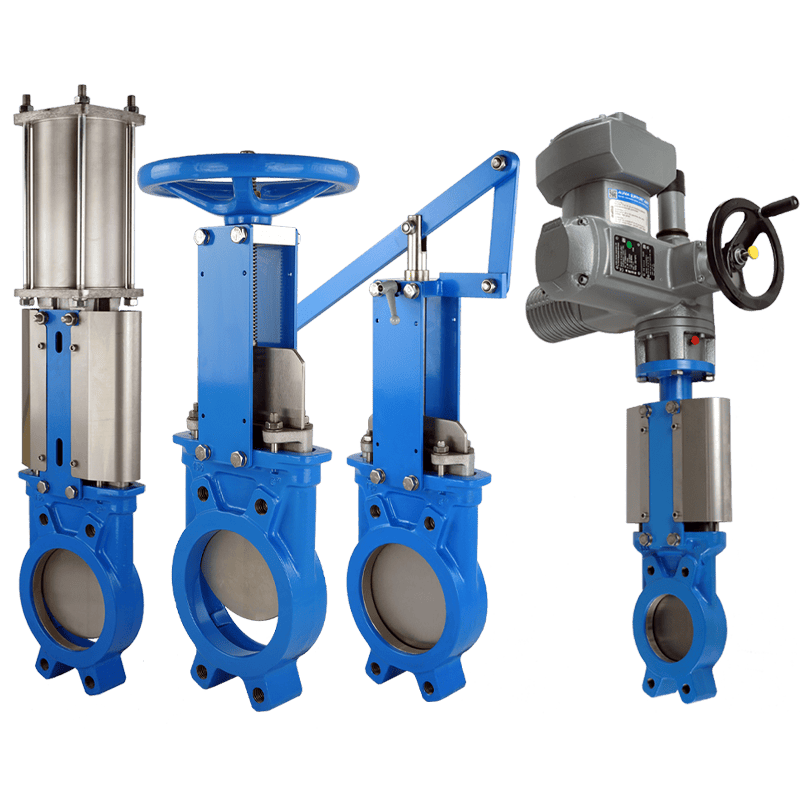
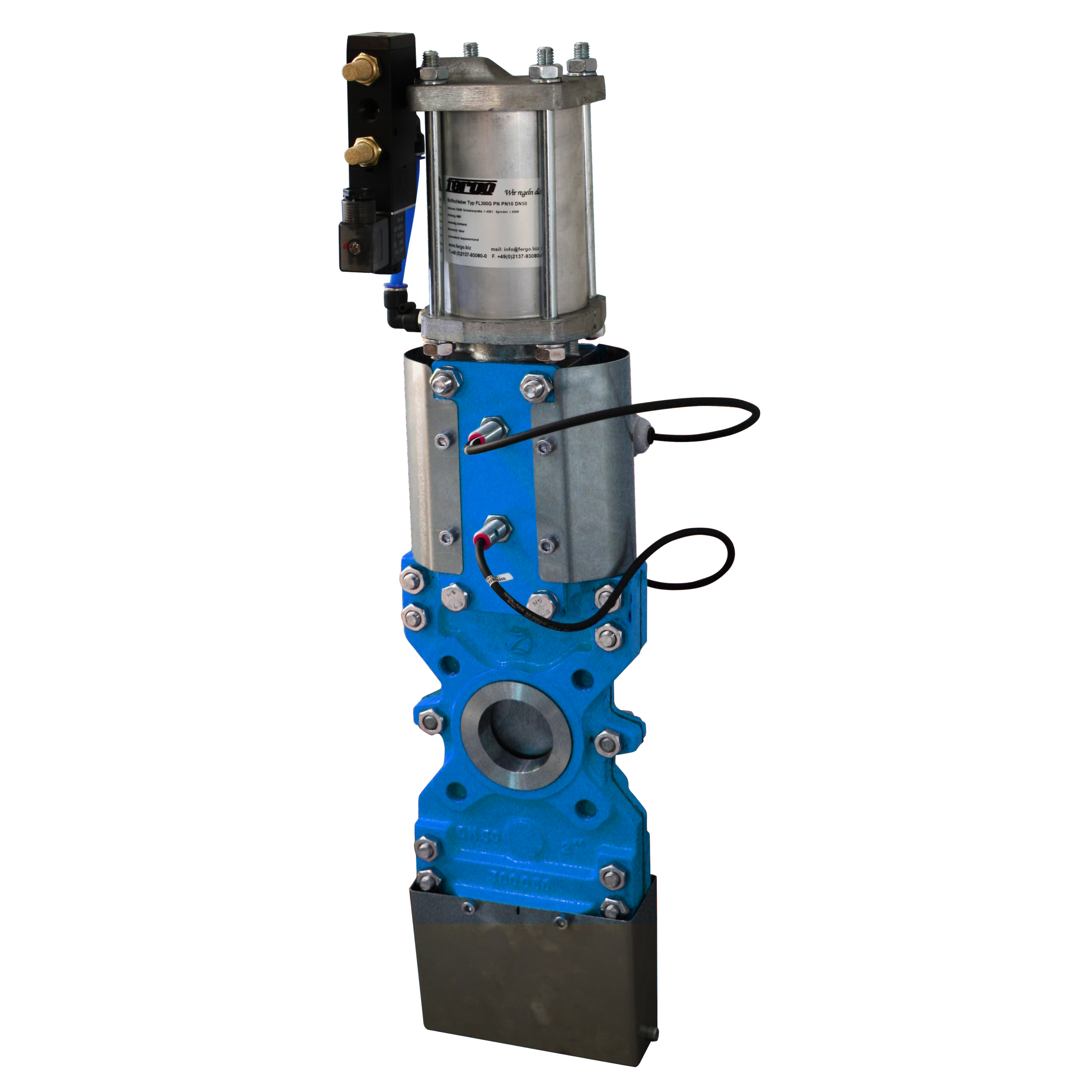
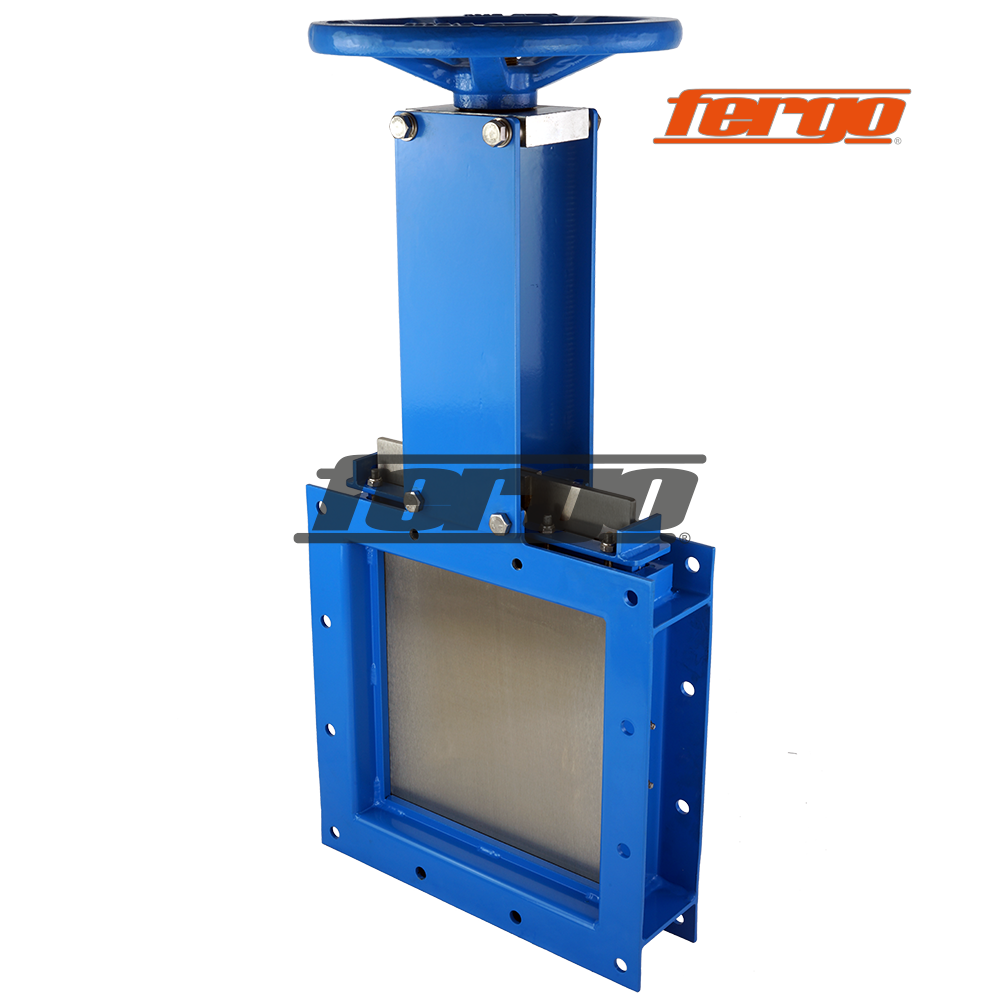
The right material determines service life and operational safety of a knife gate valve. Fergo offers two body materials and several seat variants to cover different media, temperatures and chemical requirements.
Body – Cast Iron GG25 (EN-GJL-250)
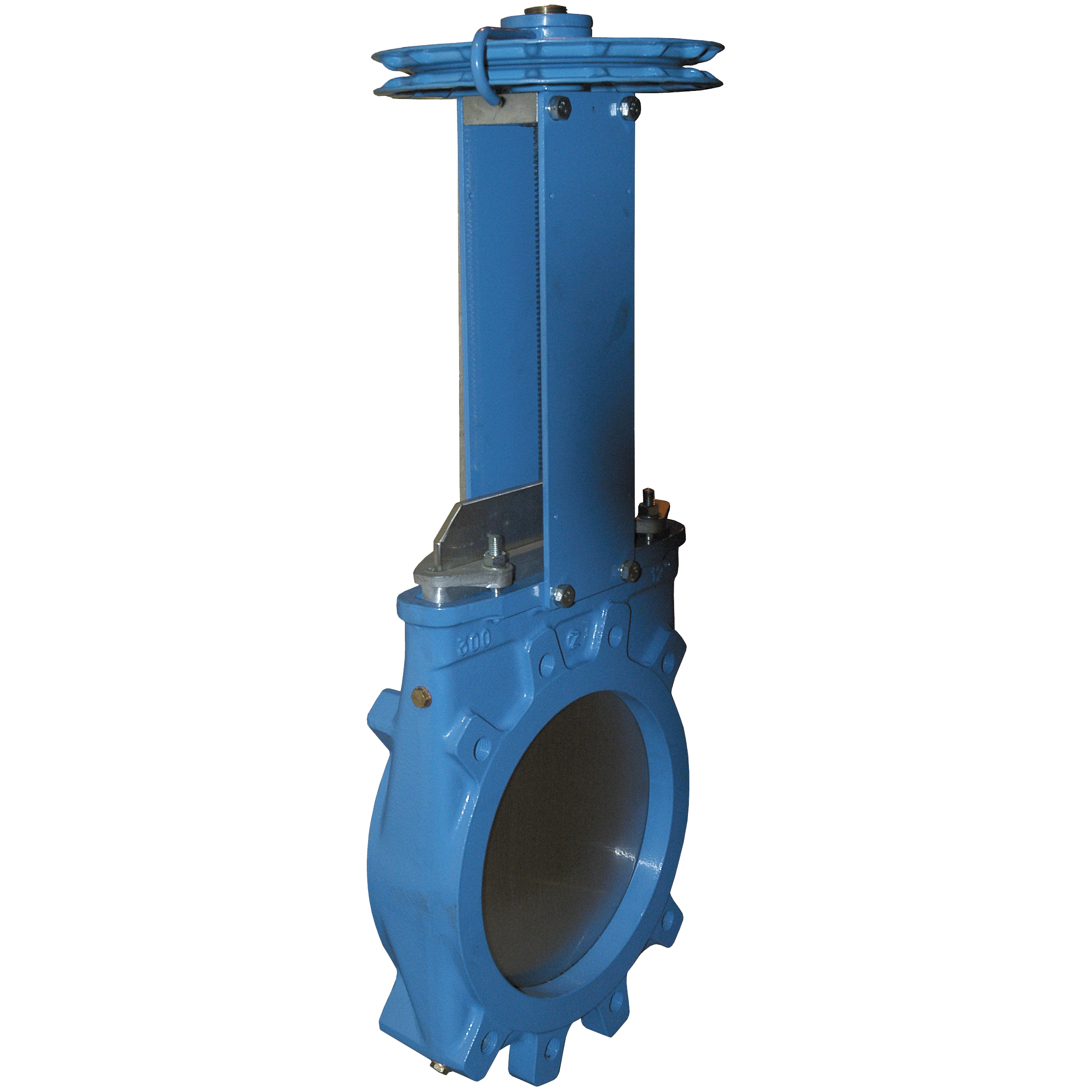
Cast iron GG25 is the standard material for most knife gate valve series. Fergo uses GG25 in applications with neutral media, water, wastewater and slurries at temperatures from –10 °C to +120 °C. High compressive strength and a competitive price make GG25 the economical choice for standard industrial applications.
Body – Stainless Steel 1.4408 (CF8M)
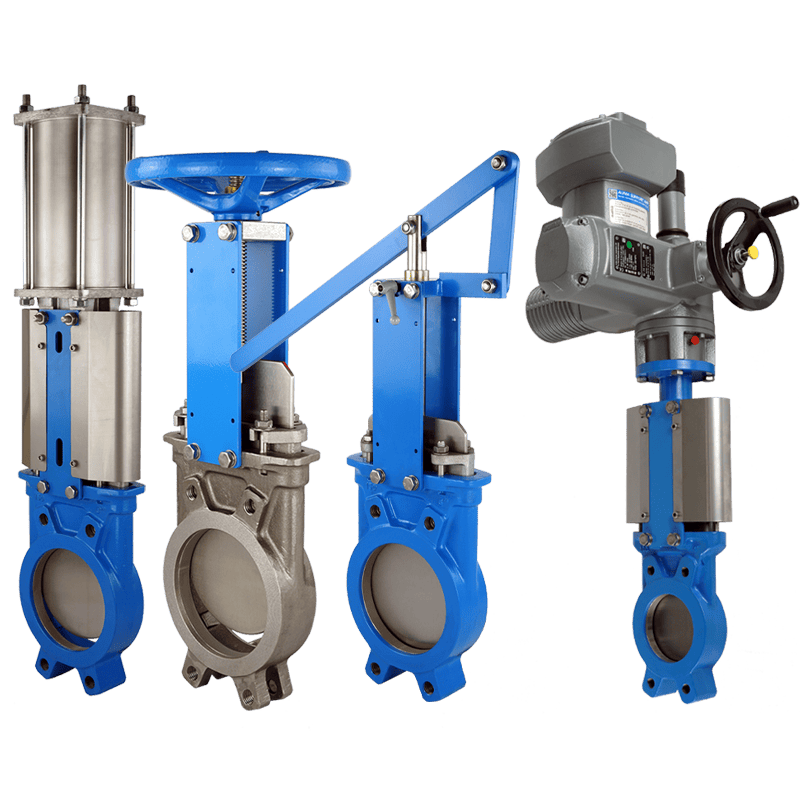
Fergo manufactures the FM200, FB200, FB700 and FH650 series also in stainless steel 1.4408. This austenitic cast stainless steel resists corrosive media, acids and alkalis as well as high temperatures up to +200 °C. In the chemical, pharmaceutical and food industries, plant standards frequently require stainless steel construction.
Blade – Hardened Stainless Steel
The blade cuts through the media stream and forms the sealing interface together with the seat. Fergo manufactures blades from hardened stainless steel so they can shear off solid particles, fibres and granulates permanently without premature wear.
Stem – Stainless Steel
Fergo uses stainless steel stems across all series. The stem transmits the actuating force to the blade and therefore must be corrosion-resistant, rigid and wear-resistant. Depending on the series, Fergo supplies a rising or non-rising stem design.
Seat – NBR (Nitrile Rubber)
NBR provides good resistance against mineral oils, greases and hydrocarbons. Fergo recommends NBR seats for wastewater with oil traces, cooling circuits and industrial processes at temperatures from –15 °C to +80 °C.
Seat – EPDM (Ethylene Propylene Diene Monomer)
EPDM suits water, steam, alkalis and oxidative media in the temperature range from –30 °C to +130 °C. Fergo uses EPDM seats in water treatment, sewage sludge handling and HVAC applications.
Seat – Metal
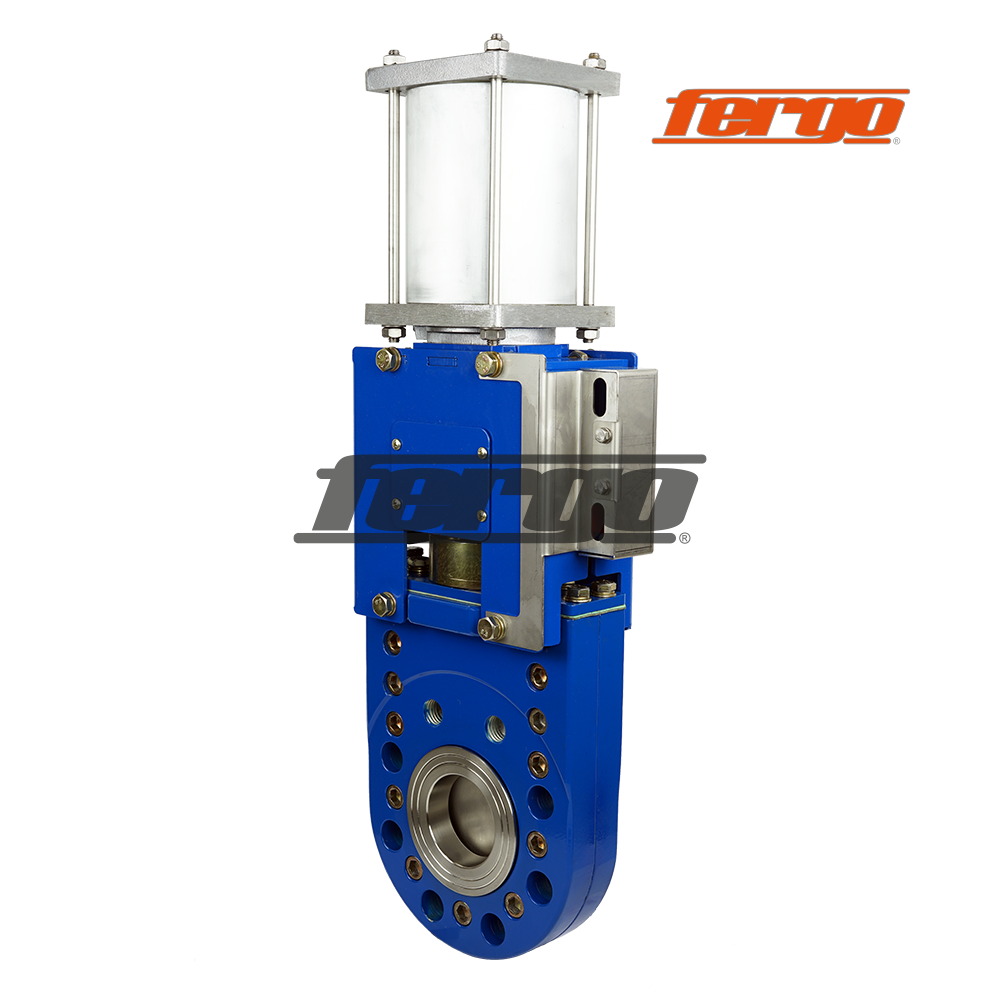
Metal seats serve in high-temperature, abrasive or chemically aggressive conditions. Fergo supplies metal seats as standard in the FH650 high-pressure series and as an option in the FM200, FB200 and FB700 series.
Seat – U-Profile (Steel-Core Reinforced)
The FB700 uses a steel-core-reinforced U-profile seat with integrated scraping action. This means the blade cleans the seat face with every stroke and prevents media deposits in the sealing area. This design ensures reliable tightness even after many switching cycles.