
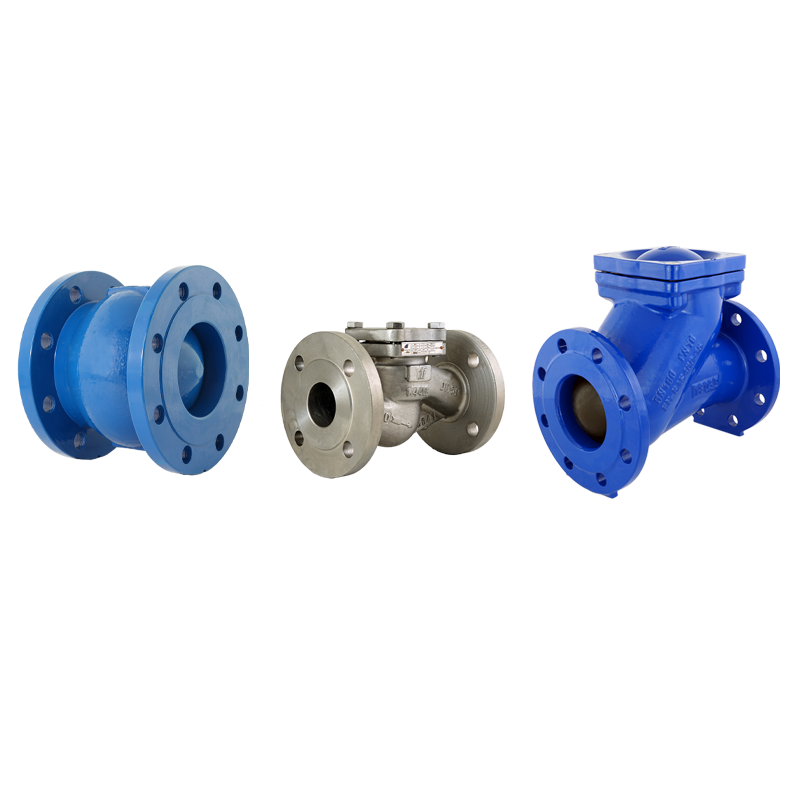
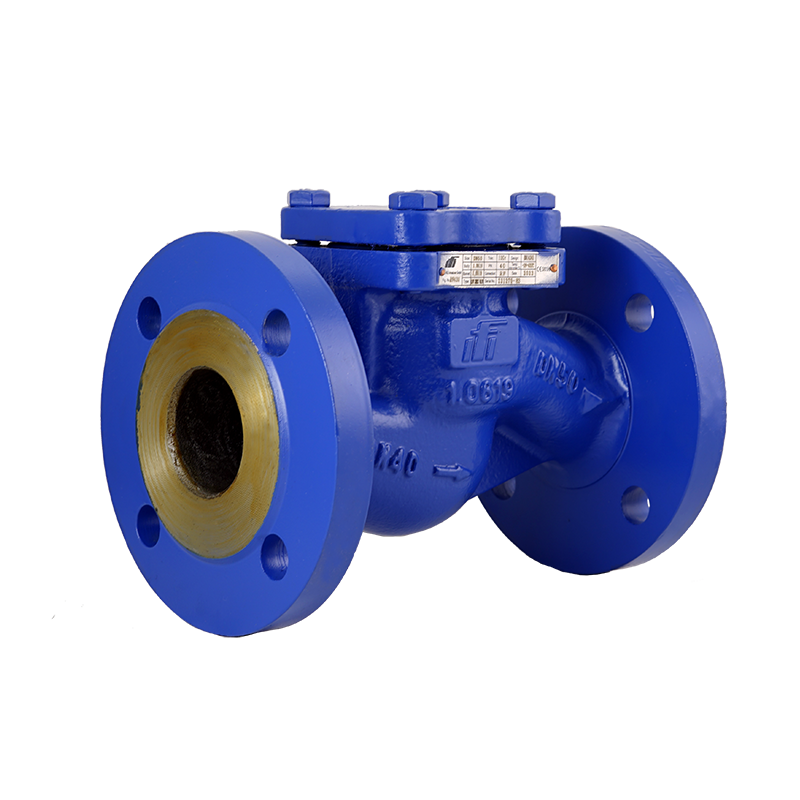
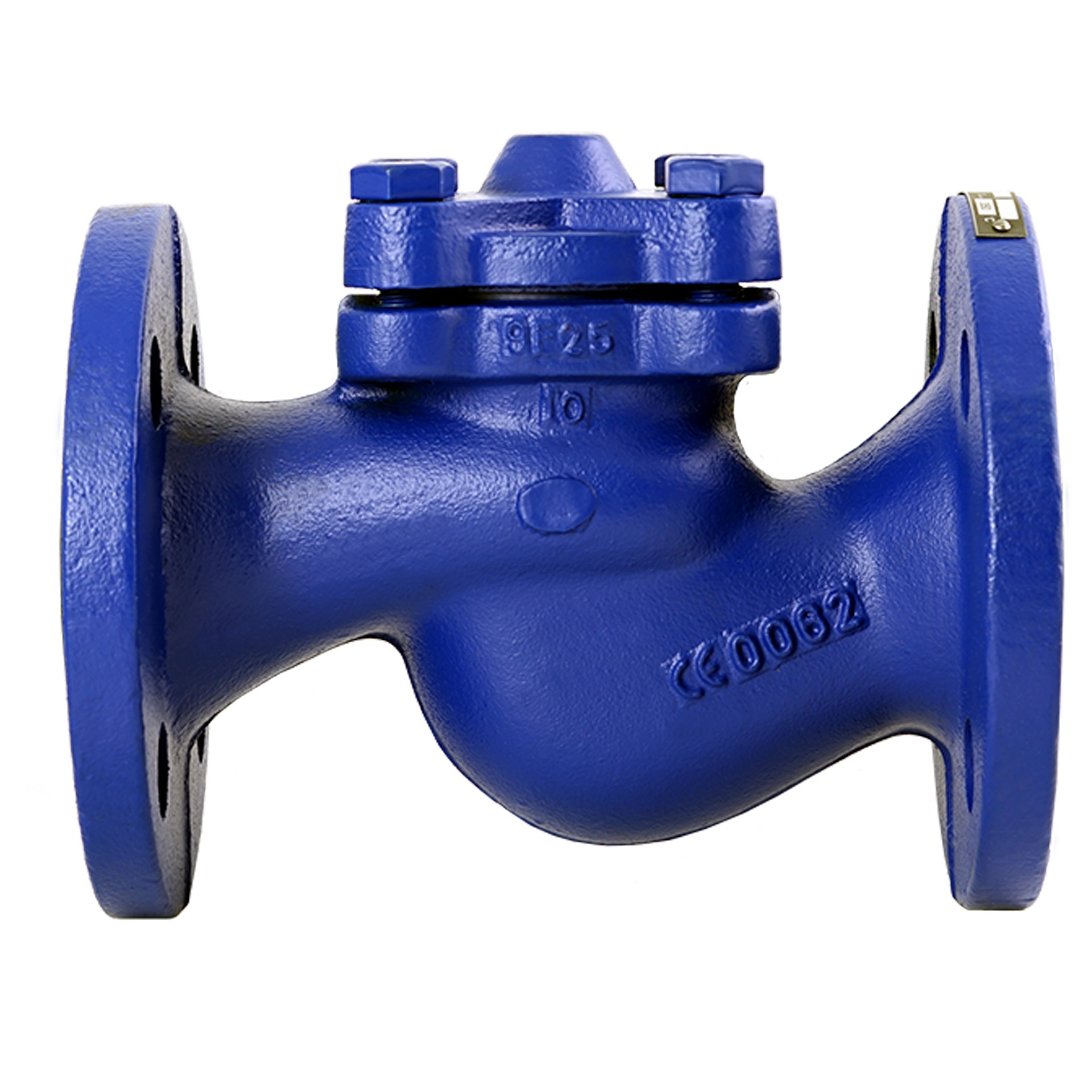
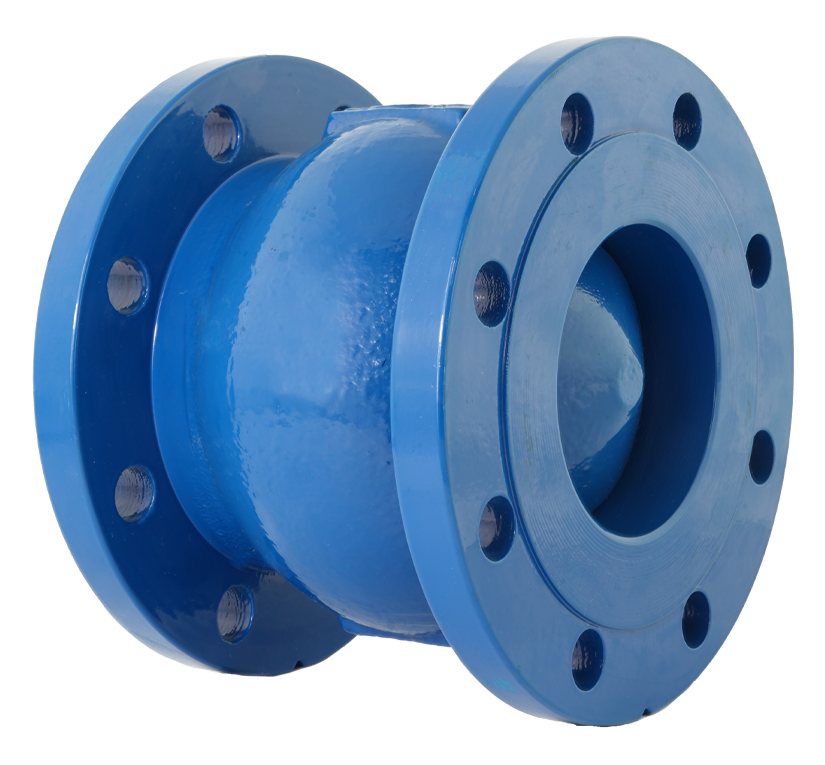
Body Materials
1. Cast Steel 1.0619 (RV430)
Application: steam headers, condensate return lines, hot water, thermal oil, refinery utilities and any high-pressure high-temperature service that a cast iron body cannot handle
Temperature: −10 °C to +400 °C · PN10, PN16, PN40
Advantages: high mechanical strength and creep resistance at elevated temperatures, proven cast-steel grade for steam service, wide pressure envelope, weldable for pipework integration
Limitations: no inherent corrosion resistance — unsuitable for acids, alkalis or chloride-rich water without additional protection
2. Stainless Steel 1.4408 / CF8M (RV450)
Application: chemical and petrochemical processing, food and beverage plants, chlorinated water, seawater, high-temperature acid service, oxygen service after cleaning
Temperature: −10 °C to +450 °C · PN10 to PN40
Advantages: molybdenum content resists pitting and crevice corrosion, no metal-ion pickup into the medium, hygienic surface, the widest temperature envelope in the lift check valve family, single-material construction across body, cover, disc and spring
Limitations: higher material cost than cast steel or cast iron; not resistant to hydrofluoric acid
3. Grey Cast Iron EN-JL1040 (ZV116)
Application: water supply, compressed air, non-aggressive mineral oils, condensate lines at moderate pressure, HVAC circuits and general utility pipework
Temperature: +2 °C to +300 °C · PN16
Advantages: economical body material for large bores, good vibration damping and thermal stability, proven grey iron grade for water and steam-condensate service, extensive Kvs data available for hydraulic sizing
Limitations: lower tensile strength and lower impact resistance than ductile iron; unsuitable for aggressive chemicals, thermal shock or pressure surges beyond PN16
4. Spheroidal Cast Iron GGG40.3 / EN-JS1025 (ZV216)
Application: pump discharge in water utilities and HVAC, higher-pressure oil and air service, applications that require a step above grey cast iron but do not yet justify cast steel
Temperature: +2 °C to +350 °C · PN25
Advantages: significantly higher tensile strength and impact resistance than grey cast iron, higher pressure and temperature envelope, better resistance to thermal shock while still economical compared with cast steel
Limitations: not corrosion-resistant on its own — specify RV450 stainless steel for aggressive media