
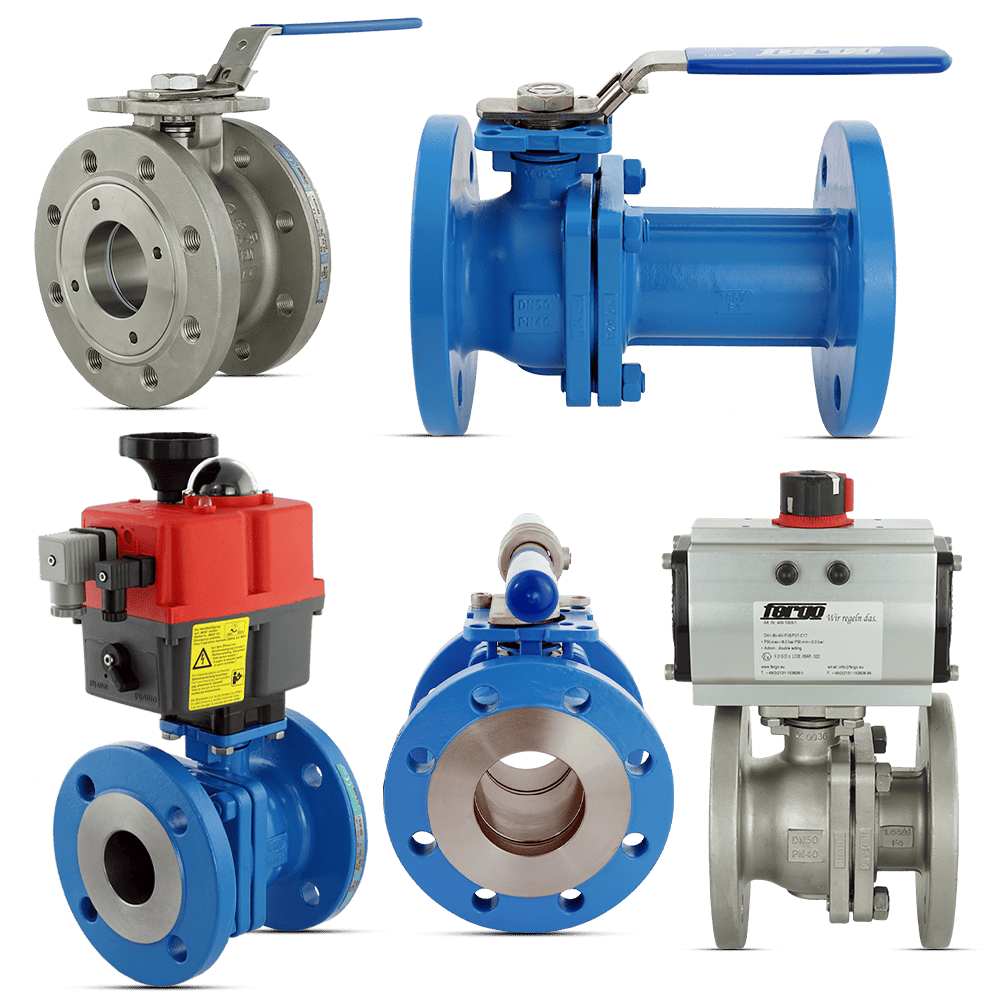
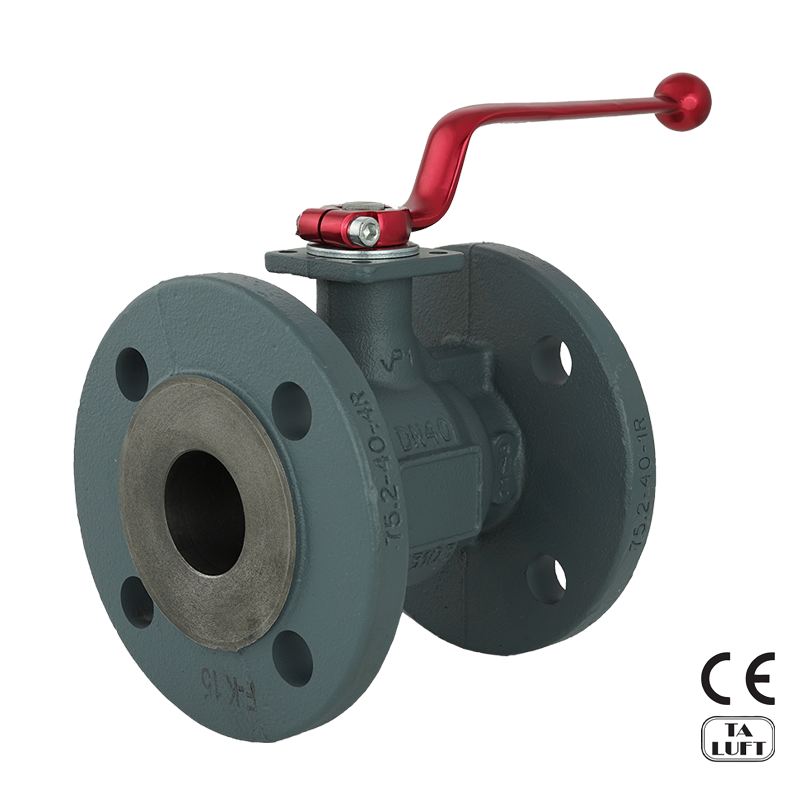
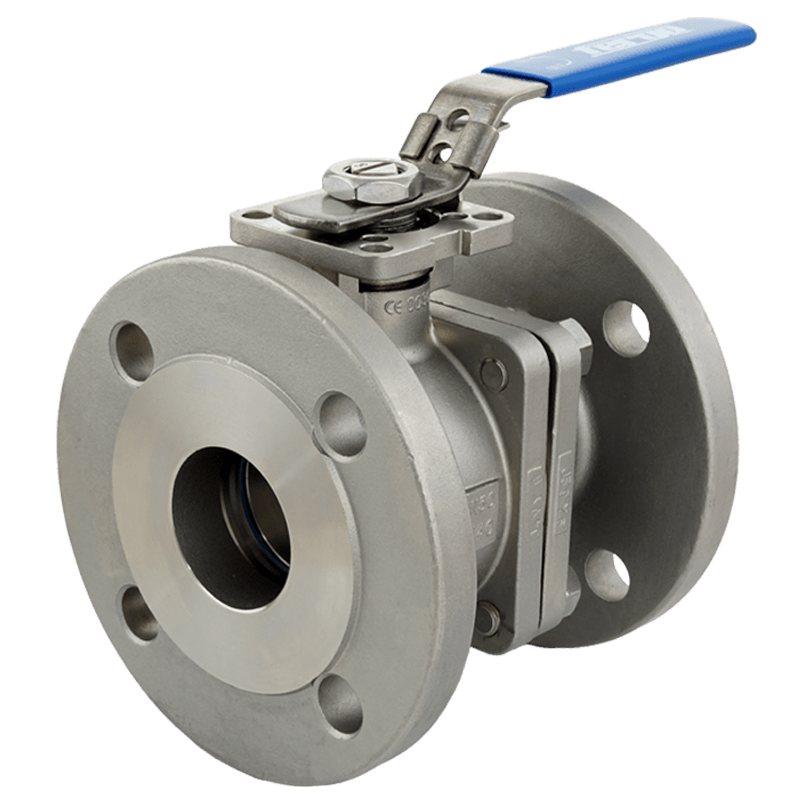
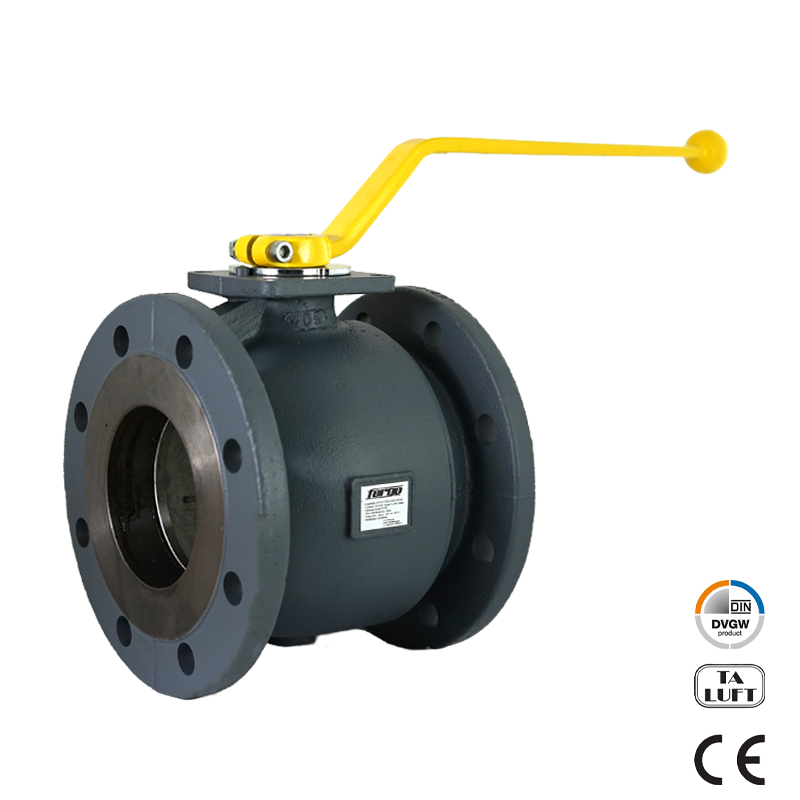
Body Materials
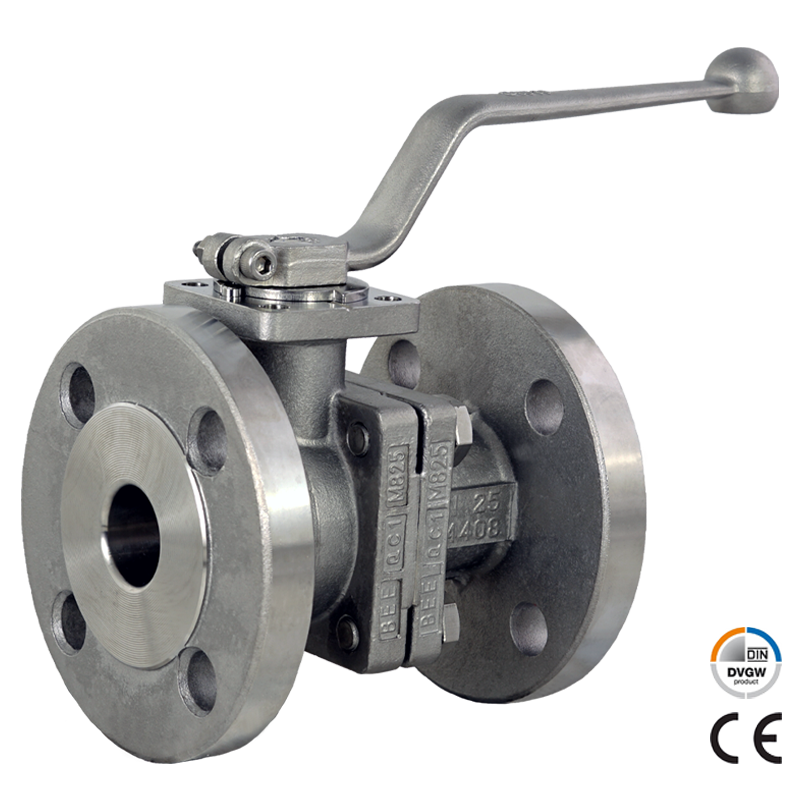
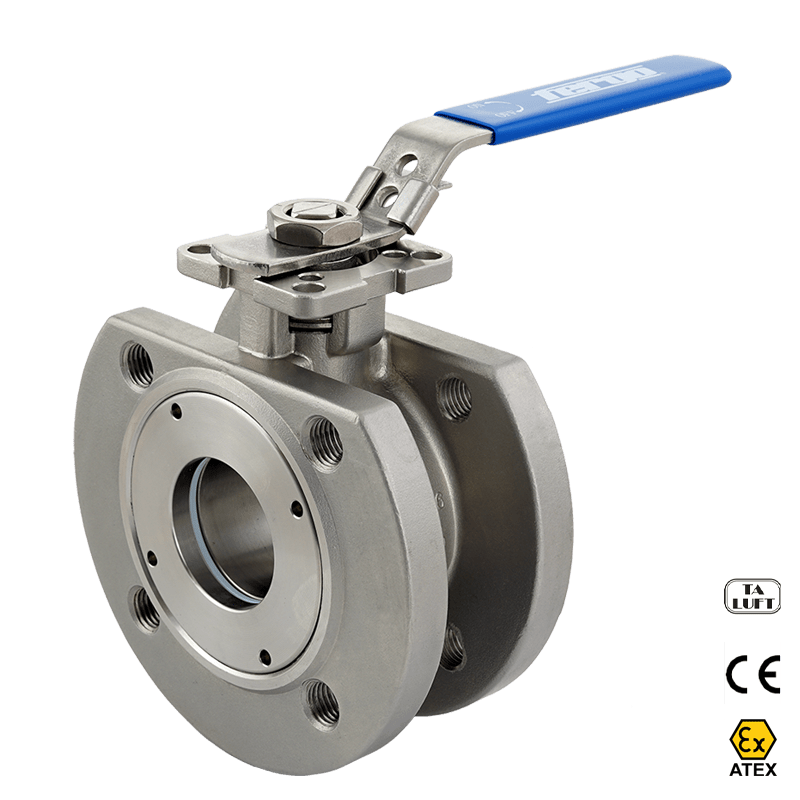
1. Stainless Steel 1.4408 / CF8M (AISI 316)
Application: chemical and pharmaceutical processing, food and beverage plants, marine and offshore, chloride-rich media, hygienic service
Temperature: −29 °C to +175 °C with a TFM1600 seat · PN16 to PN40
Advantages: high corrosion resistance through molybdenum, dimensionally stable under bolt load, long and low-maintenance service life
Limitations: higher material cost; not resistant to hydrofluoric acid
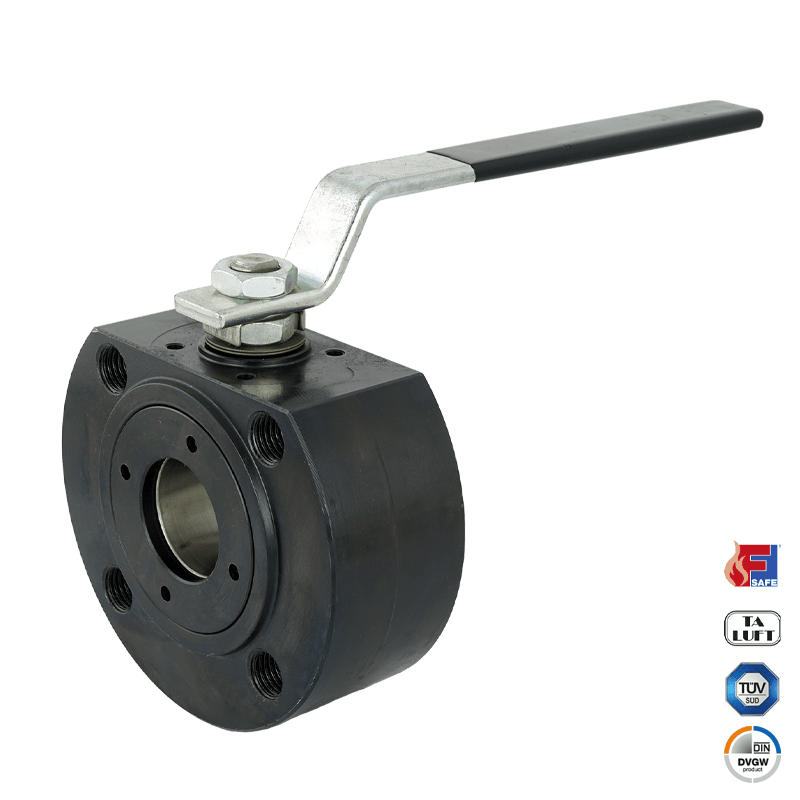
2. Steel 1.0619 and ASTM A350 LF2
Application: hydrocarbons, process gases, steam, petrochemical and refinery service; A350 LF2 for cryogenic duty down to −46 °C
Temperature: −46 °C to +200 °C (grade dependent)
Advantages: high mechanical strength, economical for large bores, proven in Fire Safe and high-pressure designs
Limitations: no inherent corrosion resistance; unsuitable for acids, alkalis or chloride media
3. Ductile Iron GGG40 / EN-GJS-400-15 (KH120, KH121)
Application: water supply, gas distribution, oil service, general utility pipework; KH121 with DVGW gas approval
Temperature: up to +120 °C (seat dependent) · PN16
Advantages: good toughness and vibration damping, economical at larger sizes, hollow stainless steel ball keeps wetted parts corrosion-resistant
Limitations: not suitable for aggressive chemicals or chloride-rich brines
4. Duplex Stainless Steel 1.4470 / CD3MN
Application: seawater, offshore platforms, desalination, chloride-rich brines, pulp and paper bleaching
Temperature: −25 °C to +180 °C
Advantages: roughly twice the yield strength of standard austenitic grades, outstanding pitting and stress-corrosion resistance
Limitations: premium price and longer lead times for large nominal sizes
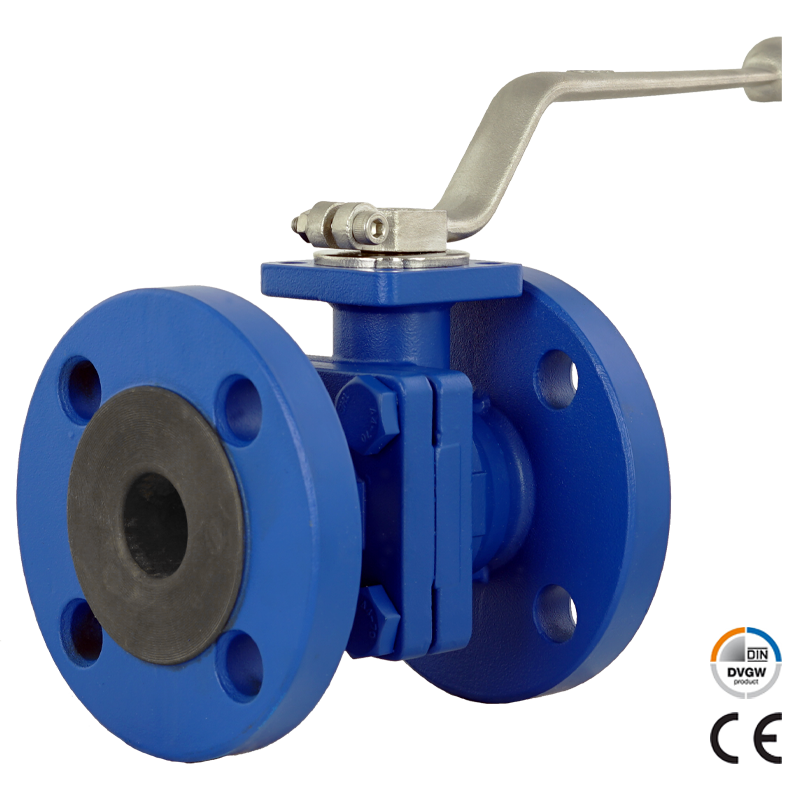
5. Ductile Iron GGG40.3 with PFA or PFA-L Lining
Application: concentrated acids and alkalis, halogenated solvents, semiconductor fabrication; PFA-L for ATEX zones where static dissipation is required
Temperature: −20 °C to +200 °C
Advantages: near-universal chemical resistance, robust cast body, PFA-L conducts electrostatic charge safely
Limitations: special execution; lining is sensitive to abrasive solids and mechanical shock